Who Is a Good Candidate for Breast Reduction?
In general, any woman desiring smaller breasts for cosmetic or symptomatic reasons is a candidate for a breast reduction. Dr. Okamoto will meet with you for an initial consultation to evaluate your needs, answer your questions, and determine your candidacy. Patients who are in overall good health and have reasonable expectations for the results of breast reduction surgery are often good candidates for this procedure. It is recommended that individuals considering this surgery be at or close to their ideal weight when it comes time for treatment since weight loss following surgery can, in some cases, have a negative aesthetic effect on the results.
What Does the Breast Reduction Procedure Involve?
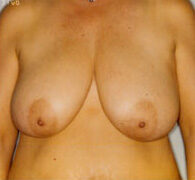
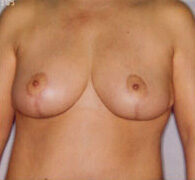
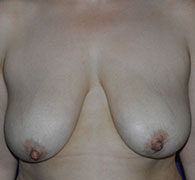
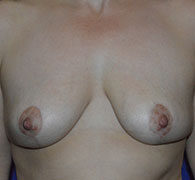
During breast reduction surgery, the areolar position is lifted to a more youthful height and a considerable amount of the breast tissue is removed to lessen the strain on the musculoskeletal system. The residual scars left after this procedure depend upon the surgical method. For the most part, the classical “anchor” incisions have been replaced with a much smaller scar that no longer requires a scar line running underneath the breasts. Presently, a more typical scar is similar to the breast lift scar, one that is limited to around the areola with a vertical extension from the inferior areolar rim down to a point somewhere above the crease running below the breast. This scar looks more like a balloon on a string rather than an anchor outline. Regardless, Dr. Okamoto will work diligently to minimize the appearance of whatever scars are necessary for the reduction.
What Can I Expect During Breast Reduction Recovery?
Each patient’s individual needs and goals are unique, and therefore the recovery process varies. In some cases, patients are able to return to work or other daily routines in about two weeks following breast reduction surgery; others may require several weeks. A surgical bra worn for a few days following the operation should help facilitate healing. There will likely be some swelling, bruising, and general discomfort in the breasts after surgery; however, residual pain can be managed with medication. Patients should avoid lifting heavy objects and engaging in strenuous activities for at least three to four weeks after breast reduction surgery.
While breast reduction surgery is often covered by individual insurance programs, Dr. Okamoto only provides this service on a non-insurance basis; however, our practice offers a number of convenient payment options and we work with CareCredit®, one of the most reputable healthcare financing companies in the nation. CareCredit® makes it possible for qualified applicants to obtain low- and no-interest monthly payment plans to help bring treatment into their budget.